Vicky is a highly experienced and engaging workshop facilitator working across 16mm film and animation. Her sessions are grounded in hands-on making and experimentation, while also encouraging critical reflection on process and approach, supported by relevant theory and historical references from analogue film practice. Her workshops range from playful, material explorations such as scratching and drawing directly onto film to more technical sessions like Learn a Bolex & Shoot a Film in a Day, as well as alternative processing techniques using eco-developers for 16mm film.
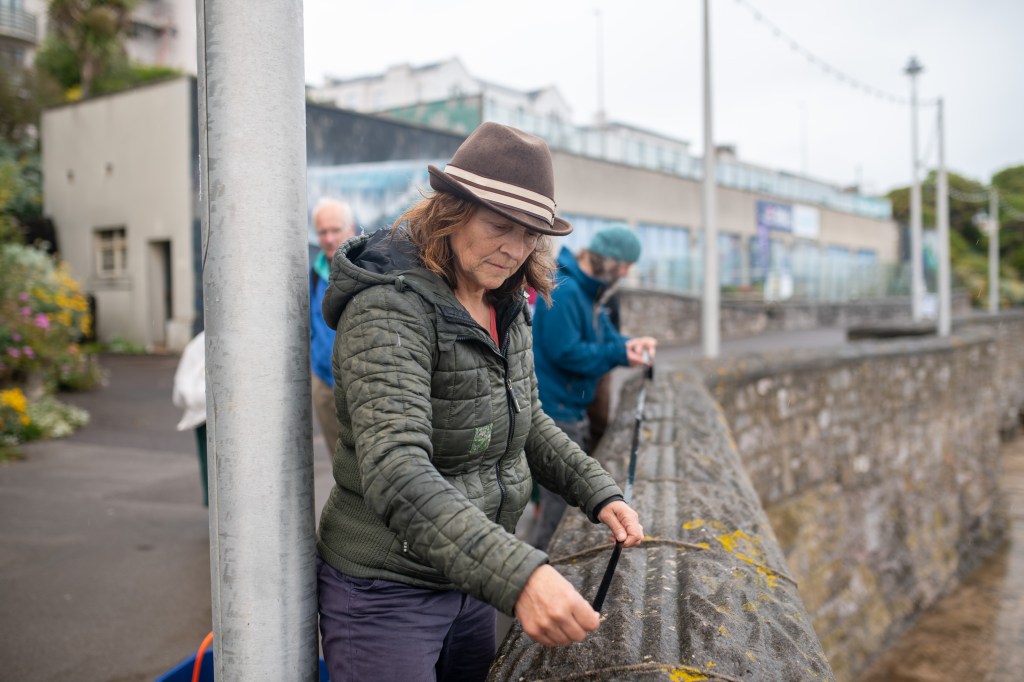
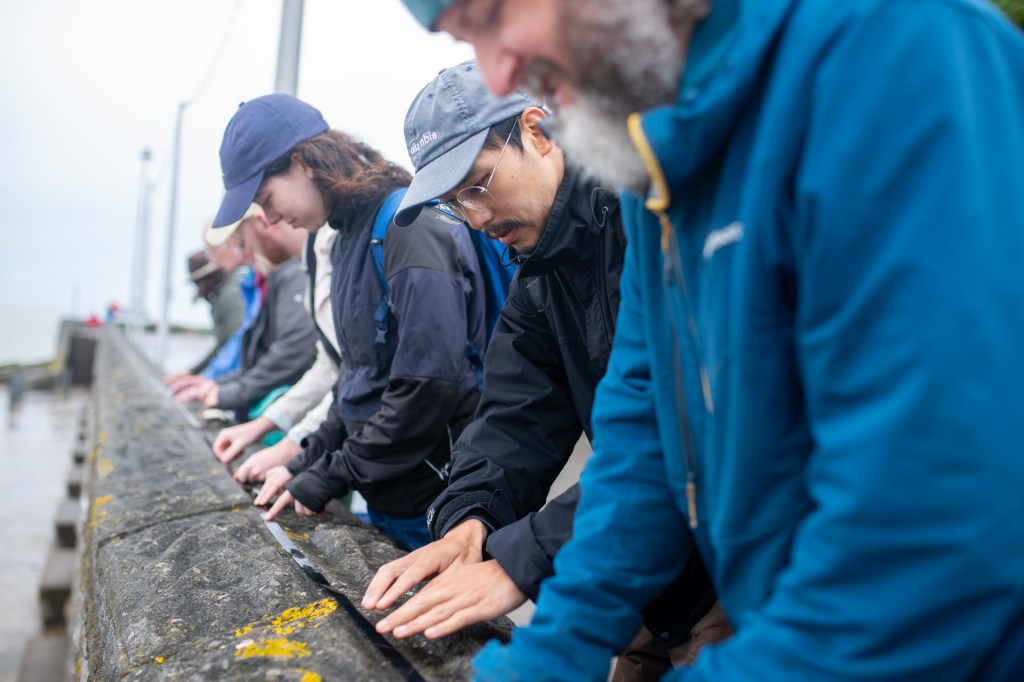
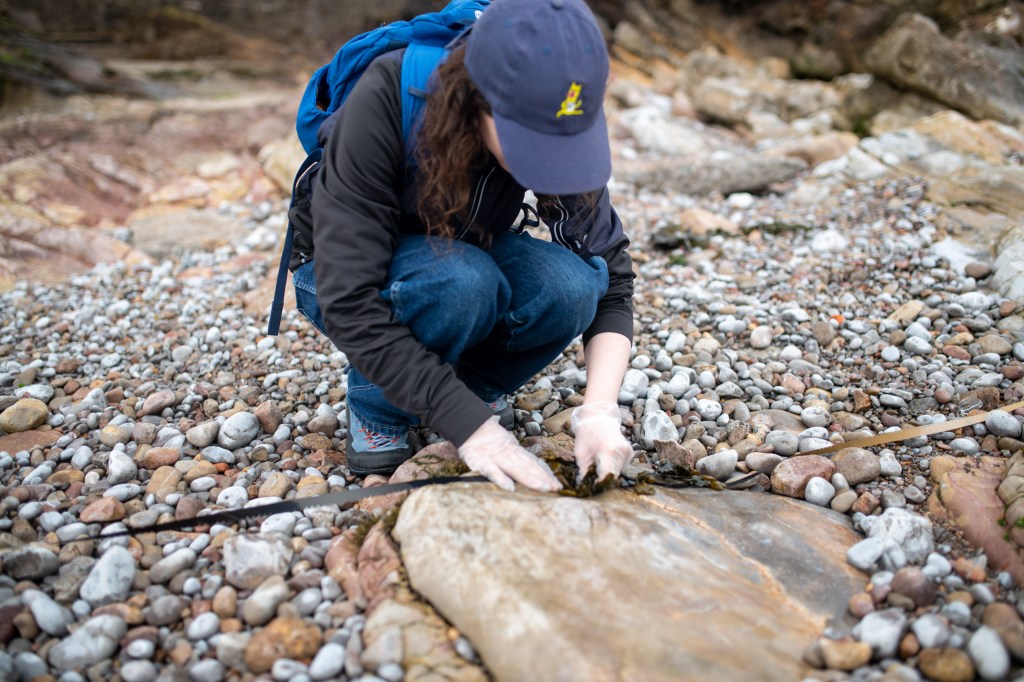
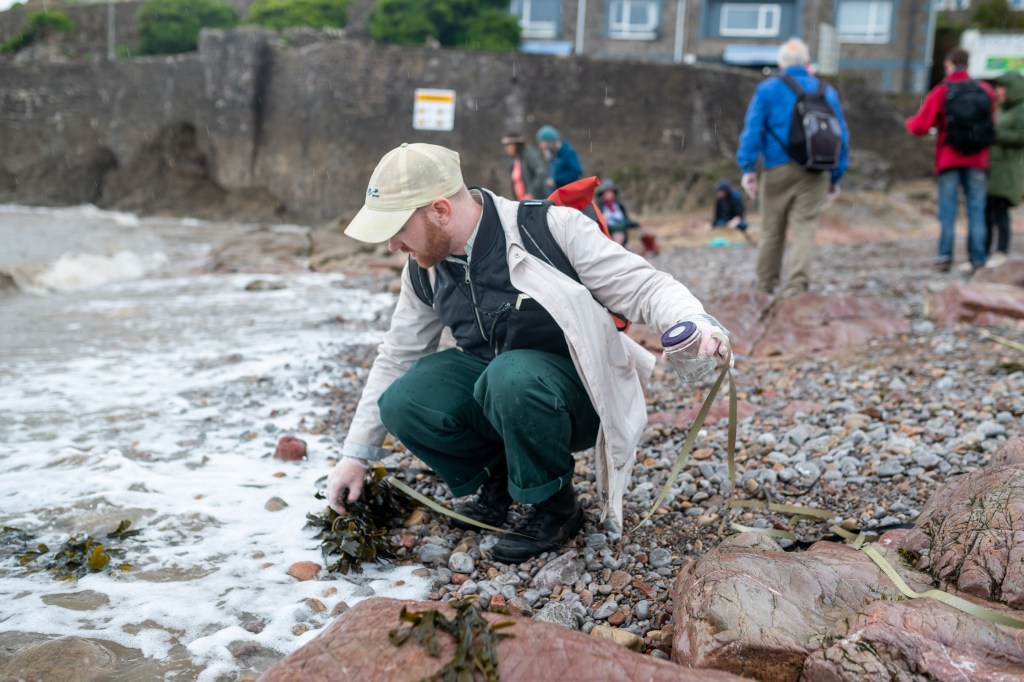
Tracing the Shoreline on 16mm Film, Promenade Weekender, Weston-super-Mare, 2025
Experimental film artists Matt Davies and Vicky Smith to make a 16 mm cameraless film along Weston’s coastline. Using physical contact methods of pressing and rubbing lengths of film onto the natural features of the Weston shoreline, you can capture the traces, rhythms and energy of the sea and the textures of the coast. No experience necessary, materials provided.
The film created during the workshop will be projected at the evening event.
16mm Film Workshop with Vicky Smith & Louisa Fairclough (BEEF), 2024
Introduction to 16mm filmmaking you will learn creative possibilities for working with the 16mm Bolex camera, using film stocks and hand processing methods in ways that run counter to their industry purpose. This workshop will offer opportunities to consider light, light meters, exposure, lenses, camera accessories, photo-chemical darkroom orientation, ecological responsibility and care when working with film materials.
Found Footage and Abstraction, Spike Island, 2021
For artists and filmmakers who are interested in using throwaway and found materials, this workshop gives a contextual background, alongside practical demonstrations using found Super8 and 16mm film. Applying similar techniques, participants will make and edit their own short film together. The group will also engage with Peggy Ahwesh’s exhibition and explore the techniques employed in her films before learning about more performative and “live” effects in filmmaking.
Grazing not Gazing: 16mm Film Workshop, Hestercombe Gardens, 2020
Responding to Ben Rivers’ Urthworks exploration of ‘other worldliness in the world around us’, artists Katie Davis and Vicky Smith use approaches central to their own practices to conceive a 2-day 16mm film shoot and process workshop. Using extension tubes, wide lenses and B&W fine grain negative film, the grazing not gazing workshop explores the transformative potential of macro film-making, where small things filmed close up, lacking external reference or perspective, seem altered, appearing as vast and textured landscapes.
BEEF Winter School Workshops, 2021
Participants will explore the range of effects that the wind-up Bolex camera offers, such as time lapse, double exposure, macro, extended exposures and single frame. We will shoot some film to test these techniques. The next day we will process the film in the BEEF darkroom. You will learn how to develop in caffenol and how to duplicate film through positive/negative reverse tone contact print filmstrips. We will also reflect on ways in which film-makers have manipulated elements of light and dark.
Fill the exhibition space with film! Learn projector technology and trouble shooting through a range of 16mm machines. Lace the machine, explore different playback rates, make large interactive, noisy and quiet film loops that explore filmic sound and image, mix different gauges (slide/ s8/ 16mm), explore possible projection surfaces and screens.
Consider how practitioners in Expanded Cinema close the gap between film’s production and its exhibition. Due to the growth of film exhibition in galleries, this workshop will have relevance not just for practitioners, but also for curators, technical staff and others working with artists’ installs.
Expanding Projection workshop, 2018
Close the gap between film’s production and its exhibition. Learn projector technology by making large interactive and noisy (and quiet) film loops. We will cover how to lace the machines, different playback rates, mixing different gauges, trouble shooting, exploring possible projection surfaces and screens.
 Vicky Smith